
Muhammad Ali Mosque: Cairo Citadel Alabaster Icon
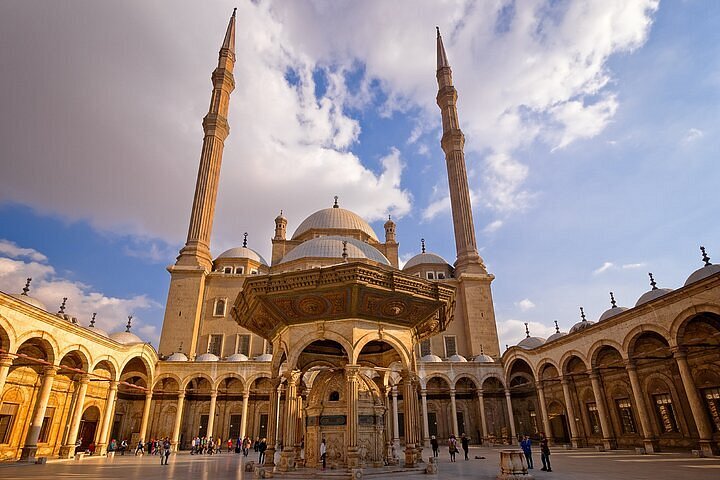
Standing majestically atop Cairo's Citadel, the Muhammad Ali Mosque commands the skyline of Egypt's bustling capital with its gleaming domes and soaring minarets. Known locally as Masjid Muhammad Ali and internationally as the Alabaster Mosque, this 19th-century architectural marvel has become one of the most iconic landmarks in mosque Cairo Egypt has to offer.
A Monument to a Modernizer
Built between 1830 and 1848, the Muhammad Ali Mosque was commissioned by Muhammad Ali Pasha, the Ottoman governor who transformed Egypt into a modern state. Designed by Greek architect Youssef Bochna, the mosque was intended to rival the grandeur of the great Ottoman mosques of Istanbul, particularly the Sultan Ahmed Mosque (Blue Mosque).
The mosque serves as both a place of worship and a memorial, housing the tomb of Muhammad Ali Pasha himself within its walls. Its strategic location at the Citadel of Saladin offers visitors breathtaking panoramic views across Cairo, from the Pyramids of Giza in the distance to the sprawling urban landscape below.
The Alabaster Marvel
The nickname "Alabaster Mosque" comes from the luminous alabaster panels that once covered both the interior and exterior walls. While many exterior panels have been replaced with limestone over the years due to weathering, the interior remains adorned with genuine alabaster, creating an ethereal glow when sunlight filters through the mosque's many windows.
The mosque's Ottoman architectural style stands in stark contrast to traditional Mamluk mosques found throughout Cairo. Its design features a large central dome surrounded by four smaller domes, with two slender minarets rising 82 meters into the sky. The main dome reaches an impressive 52 meters in height and 21 meters in diameter, creating a vast interior space that can accommodate thousands of worshippers.
Architectural Splendor
Walking through the courtyard of Masjid Muhammad Ali, visitors are immediately struck by the ornate clock tower gifted by French King Louis-Philippe in 1846, given in exchange for the obelisk now standing in Paris's Place de la Concorde. Though the clock has never worked properly, it remains a fascinating symbol of 19th-century diplomatic exchange.
The mosque's interior is equally impressive. Massive columns support the soaring dome, while elaborate chandeliers cascade from the ceiling. The walls feature intricate floral and geometric patterns, with verses from the Quran inscribed in elegant calligraphy. The mihrab (prayer niche) and minbar (pulpit) showcase exceptional craftsmanship with their detailed inlay work and gilded decorations.
Natural light plays a crucial role in the mosque's ambiance. Hundreds of oil lamps once illuminated the space, but today's lighting preserves the warm, contemplative atmosphere that has welcomed worshippers for nearly two centuries.
Visiting the Muhammad Ali Mosque
Located in the Islamic Cairo district within the Citadel complex, this mosque Cairo Egypt treasure is easily accessible for tourists and worshippers alike. The Citadel itself is a must-visit destination, offering not only the Alabaster Mosque but also several museums, ancient mosques, and military fortifications dating back to the 12th century.
Practical Information for Visitors:
Opening hours are typically from 8:00 AM to 5:00 PM daily, though these may vary during Islamic holidays and prayer times. Modest dress is required, with women needing to cover their shoulders, arms, and legs. Headscarves are usually available at the entrance if needed. Shoes must be removed before entering the prayer hall.
The entrance fee to the Citadel includes access to the Muhammad Ali Mosque and other sites within the complex. Photography is generally permitted, making it a favorite spot for both amateur and professional photographers seeking to capture Cairo's architectural beauty.
Why the Alabaster Mosque Matters
Beyond its architectural significance, Masjid Muhammad Ali represents a pivotal moment in Egyptian history. It symbolizes Muhammad Ali Pasha's ambitions to modernize Egypt and establish it as a regional power. The mosque's Ottoman style reflected his political allegiances while asserting Egypt's growing independence and cultural sophistication.
Today, the mosque continues to function as an active place of worship while welcoming thousands of visitors annually. It has become an enduring symbol of Cairo's rich Islamic heritage and appears prominently in photographs, paintings, and media representations of Egypt's capital city.
The Citadel Experience
A visit to the Alabaster Mosque is best combined with exploration of the entire Citadel complex. The medieval fortress offers a journey through different eras of Egyptian Islamic architecture. From the Mamluk-era Mosque of al-Nasir Muhammad to the Police Museum and Military Museum, there's much to discover beyond the main attraction.
The Citadel's elevated position provides some of the best views in Cairo, making it an ideal spot for sunset visits when the city's minarets and domes are bathed in golden light. On clear days, visitors can spot the Pyramids of Giza on the western horizon, creating a visual connection between ancient and Islamic Egypt.
Conclusion
The Muhammad Ali Mosque stands as a testament to Egypt's rich architectural heritage and turbulent history. Whether you know it as the Alabaster Mosque, Masjid Muhammad Ali, or simply as that magnificent mosque Cairo Egypt visitors always photograph, it remains an essential destination for anyone seeking to understand the capital's Islamic legacy.
Its gleaming domes and towering minarets continue to inspire awe nearly two centuries after construction began, offering visitors a glimpse into the ambitions of a ruler who sought to transform his nation. For travelers exploring the countless treasures that make mosque Cairo Egypt experiences so memorable, the Muhammad Ali Mosque represents an unmissable highlight that beautifully blends history, architecture, and spirituality into one magnificent structure.
