
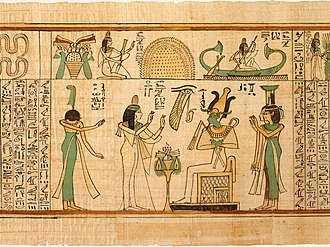
Amun Singers: The Sacred Voices of Ancient Egypt
In the heart of ancient Egypt’s religious life, the Amun Singers played a powerful yet often overlooked role. These sacred musicians were not ordinary performers they were priestly figures devoted to honoring Amun, the king of the gods during the New Kingdom.
From the grand halls of Karnak Temple in Luxor to sacred processions along the Nile, the voices of the Amun Singers echoed through temples, ceremonies, and royal rituals. Today, they offer fascinating insight into the spiritual, cultural, and social life of ancient Egypt.
Who Were the Amun Singers?
The Amun Singers were part of the powerful priesthood dedicated to Amun, especially during the New Kingdom period (c. 1550–1070 BCE). They were officially known as “Chantresses of Amun” or “Shemayet of Amun.”
Most Amun Singers were women of high social standing. Many came from noble families and were closely connected to the elite religious class of Thebes (modern-day Luxor). Their position was both spiritual and prestigious.
Unlike general temple workers, the Amun Singers had a sacred function:
-
Performing hymns during daily temple rituals
-
Singing during festivals and divine processions
-
Participating in royal ceremonies
-
Assisting in funerary rites
Their voices were believed to calm the gods and maintain cosmic balance, known in ancient Egyptian belief as Ma’at.
Amun: The God They Served
To understand the Amun Singers, we must understand Amun himself.
Amun rose to prominence in Thebes and eventually merged with the sun god Ra to become Amun-Ra, the supreme deity of the Egyptian pantheon. His worship reached its peak during the 18th Dynasty, when pharaohs such as Hatshepsut and Thutmose III expanded temple complexes and enriched the priesthood.
The Temple of Karnak became the main center of Amun’s worship. Here, the Amun Singers performed sacred music in vast hypostyle halls and during grand festivals like the Opet Festival, when Amun’s statue was carried from Karnak to Luxor Temple.
Music in Ancient Egyptian Worship
Music was not entertainment in temple settings it was divine communication.
The Amun Singers used:
-
Sistrums (a sacred rattle instrument)
-
Menats (ceremonial necklaces used in ritual shaking)
-
Hand clapping and rhythmic chanting
The sistrum, in particular, was closely associated with goddess Hathor and was believed to ward off evil spirits. The harmonious combination of voice and instrument created a sacred atmosphere within the temple.
Hieroglyphic inscriptions and tomb paintings show elegantly dressed women holding sistrums while singing hymns praising Amun’s greatness, power, and role as creator.
The Role of Women in the Amun Cult
One of the most fascinating aspects of the Amun Singers is the prominent role of women in religious life.
Women serving as chantresses held official titles and received income from temple estates. Some even accumulated wealth and property. Their religious authority, although not equal to high priests, was significant within temple hierarchy.
In certain periods, powerful religious positions such as “God’s Wife of Amun” emerged held by royal women who controlled vast temple resources. This demonstrates how central Amun worship was to both religion and politics.
Daily Duties Inside Karnak Temple
Inside Karnak Temple, the day began before sunrise. Priests purified themselves with water from the sacred lake. The inner sanctuary, where Amun’s statue was kept, was entered only by high-ranking priests.
The Amun Singers performed during:
-
The awakening ritual of the god
-
Offering ceremonies
-
Sacred recitations
-
Festival processions
Their chants accompanied incense offerings, food presentations, and prayers for Egypt’s prosperity.
The sound of sacred hymns resonating between massive stone columns would have created a powerful spiritual experience for worshippers.
Festivals and Public Ceremonies
The Amun Singers were especially active during major festivals.
The Opet Festival
During this annual celebration, Amun’s statue traveled from Karnak Temple to Luxor Temple by boat along the Nile. The journey symbolized renewal of kingship and divine blessing.
The Amun Singers:
-
Led hymns during the procession
-
Performed ritual music at stopping points
-
Participated in temple ceremonies
Their role reinforced the sacred connection between the pharaoh and Amun.
Archaeological Evidence of the Amun Singers
Archaeologists have uncovered tomb inscriptions, temple carvings, and statues referencing chantresses of Amun. Many tombs in Thebes depict women identified with titles such as “Singer of Amun.”
These discoveries reveal:
-
Their elite social status
-
Their religious importance
-
Their elegant dress and ceremonial tools
Excavations in the Theban necropolis continue to provide new information about temple personnel and religious practices of the New Kingdom.
Why the Amun Singers Matter Today
The Amun Singers show us that ancient Egyptian religion was deeply sensory—built around sound, ritual, and symbolism.
They also highlight:
-
The influential role of women in ancient religious institutions
-
The importance of music in spiritual traditions
-
The connection between religion and political power
For travelers exploring Luxor today, standing inside Karnak Temple allows visitors to imagine the echoes of sacred hymns once sung thousands of years ago.
FAQ About the Amun Singers
Who were the Amun Singers?
They were female religious musicians who served the god Amun in ancient Egyptian temples, especially in Thebes during the New Kingdom.
Where did the Amun Singers perform?
Primarily at Karnak Temple and other temples dedicated to Amun in ancient Thebes (modern Luxor).
Were the Amun Singers priests?
They were part of the temple priesthood hierarchy and held official religious titles, though not equivalent to high priests.
What instruments did they use?
They commonly used the sistrum and menat while chanting sacred hymns.
Why were they important?
They played a key role in temple rituals, major festivals, and maintaining spiritual harmony in ancient Egyptian belief.
Final Thoughts
The Amun Singers were more than musicians they were guardians of sacred sound and spiritual balance. Their hymns honored one of Egypt’s most powerful gods and reinforced the divine authority of the pharaoh.
As you walk through Luxor’s monumental temples, imagine the rhythmic shaking of sistrums and the unified chants rising toward the heavens echoes of devotion that once defined the religious heart of ancient Egypt.
