
Dakhla Oasis Egypt Travel Guide: History, Hot Springs & Nature
Nestled in the heart of Egypt's Western Desert, Dakhla Oasis Egypt stands as one of the country's most captivating yet underrated destinations. While millions flock to the pyramids and temples along the Nile, this verdant sanctuary offers travelers an authentic glimpse into ancient Egyptian culture, stunning natural landscapes, and a tranquility that's increasingly rare in our modern world.
Discovering Dakhla Egypt
Dakhla Egypt is located approximately 350 kilometers west of Luxor and covers an area of roughly 410 square kilometers. Part of Egypt's New Valley Governorate, this oasis has been continuously inhabited for millennia, making it a living museum of Egyptian history. The name "Dakhla" means "the inner" in Arabic, distinguishing it from Kharga, the "outer" oasis to the east.
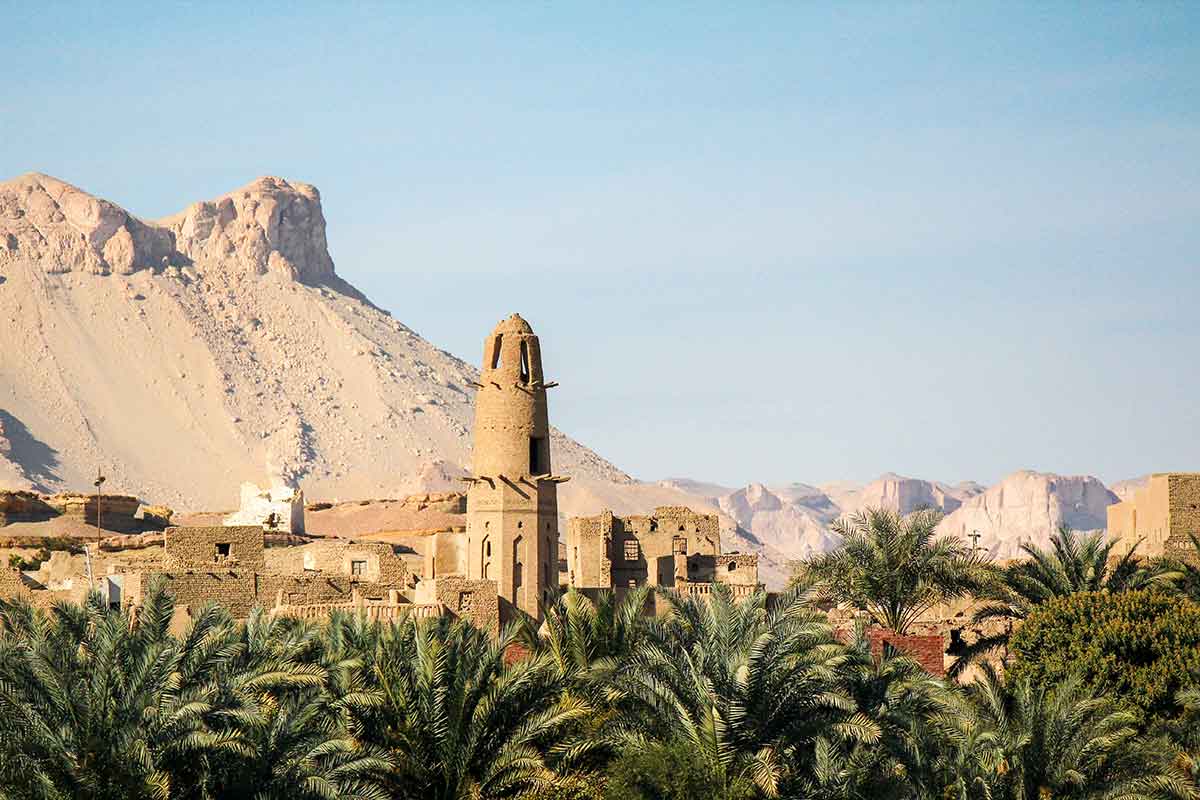
The landscape of Dakhla Oasis is nothing short of magical. Pink-hued rock formations rise dramatically from the desert floor, creating a surreal backdrop for the lush palm groves and agricultural fields that thrive thanks to natural springs and wells. The contrast between the arid desert and the fertile oasis creates some of the most photogenic scenery in Egypt.
Ancient History Beneath the Sands
What sets Dakhla Oasis Egypt apart from other desert destinations is its remarkable archaeological heritage. Human settlement here dates back to prehistoric times, with evidence of habitation from the Old Stone Age through the Roman and Islamic periods.
Must-Visit Historical Sites
The Medieval Town of Al-Qasr is perhaps the most enchanting attraction in Dakhla. This 12th-century Islamic village features narrow, winding alleyways, ancient mud-brick houses adorned with intricately carved wooden lintels, and a labyrinthine layout that has remained virtually unchanged for centuries. Walking through Al-Qasr feels like stepping back in time, with each weathered doorway and shaded passage telling stories of generations past.
Deir al-Hagar Temple (Temple of the Stone) is a beautifully restored Roman temple dedicated to the Theban triad of Amun, Mut, and Khonsu. Built during the reign of Emperor Nero and expanded by later rulers, this sandstone temple stands isolated in the desert, its hieroglyphic inscriptions and reliefs remarkably well-preserved.
Muzawaka Tombs showcase some of the finest examples of Romano-Egyptian funerary art. These 1st-century AD tombs feature vivid paintings that blend Egyptian religious iconography with Greco-Roman artistic styles, offering unique insights into the cultural fusion that characterized this period.
Bashendi is an ancient Roman settlement with ruins that include a fortress, temples, and residential areas. Archaeological work here continues to reveal new information about daily life during the Roman occupation of Egypt.
Natural Wonders of Dakhla Oasis
Beyond its historical treasures, Dakhla Oasis offers spectacular natural attractions that draw adventure seekers and nature lovers alike.
Hot Springs and Therapeutic Waters
The oasis is famous for its natural hot springs, which bubble up from deep beneath the desert. Bir al-Gebel (Mountain Well) and Mut Talata hot springs offer visitors the chance to soak in mineral-rich waters surrounded by date palms and desert vistas. The therapeutic properties of these springs have been celebrated since ancient times, and bathing here at sunset, with the desert turning gold and purple, is an unforgettable experience.
Desert Landscapes
The surrounding desert provides endless opportunities for exploration. The Great Sand Sea stretches westward toward Libya, its massive dunes reaching heights of over 100 meters. The sculptural rock formations, shaped by millions of years of wind erosion, create otherworldly landscapes perfect for photography and contemplation.
Life in the Oasis Today
Modern Dakhla Egypt is home to approximately 75,000 people spread across 14 settlements. The largest town, Mut, serves as the administrative capital and offers basic tourist infrastructure including hotels, restaurants, and transport services.
Agriculture remains the backbone of the local economy. The oasis is renowned for its dates, olives, rice, and vegetables, all irrigated by the ancient qanat system—underground channels that tap into the water table. Walking through the cultivated areas, visitors can observe farming techniques that have changed little over centuries.
The people of Dakhla Oasis Egypt maintain strong connections to their heritage while gradually adapting to modern tourism. Local artisans continue traditional crafts including pottery, weaving, and basketry, and many families welcome visitors into their homes to share tea and conversation.
Planning Your Visit to Dakhla Oasis
Getting There
Dakhla Oasis is accessible by road from several major Egyptian cities. The most common routes include driving from Luxor (approximately 6-7 hours), Kharga Oasis (2-3 hours), or Farafra Oasis to the north (4 hours). The roads are generally good, though traveling with an experienced driver familiar with desert conditions is recommended.
Regular bus services connect Dakhla to Cairo, Luxor, and Kharga, though schedules can be unpredictable. For those seeking flexibility and comfort, hiring a private vehicle with a driver is the best option.
Best Time to Visit
The ideal months to explore Dakhla Egypt are October through April when temperatures are moderate, ranging from 15-25°C (59-77°F). Summer months (May-September) can be extremely hot, with temperatures regularly exceeding 40°C (104°F), making outdoor activities uncomfortable and potentially dangerous.
Winter nights can be surprisingly cold, with temperatures dropping near freezing, so pack accordingly with layers.
Where to Stay
Accommodation options in Dakhla Oasis Egypt range from basic guesthouses to boutique desert lodges. Many eco-lodges have opened in recent years, offering sustainable tourism experiences that blend comfort with environmental consciousness. Camping under the stars in the desert is another popular option for adventurous travelers.
What to Do
A typical visit to Dakhla Oasis should include:
- Exploring the medieval architecture of Al-Qasr village
- Visiting ancient temples and Roman ruins
- Soaking in natural hot springs
- Taking sunset tours into the desert dunes
- Experiencing traditional Bedouin hospitality with a home-cooked meal
- Stargazing in one of the world's darkest skies
- Shopping for local handicrafts and organic produce
- Photographing the stunning desert landscapes
Sustainable Tourism in Dakhla Oasis Egypt
As tourism to Dakhla Oasis slowly increases, there's a growing emphasis on sustainable practices that protect this fragile ecosystem and support local communities. Visitors are encouraged to respect archaeological sites, minimize water usage, avoid single-use plastics, purchase goods directly from local artisans, and engage respectfully with residents.
The relative isolation of Dakhla Egypt has helped preserve its authentic character, but this also means that tourism infrastructure is limited. This is part of the appeal—Dakhla offers experiences that are increasingly rare in our interconnected world.
Why Dakhla Oasis Should Be on Your Egypt Itinerary
While the pharaonic monuments of the Nile Valley rightfully attract global attention, Dakhla Oasis Egypt offers something equally valuable: an opportunity to experience Egypt beyond the guidebook highlights. Here, you can witness daily life that has evolved gradually over millennia, explore archaeological sites with few other tourists, and connect with landscapes that have inspired travelers since ancient times.
The oasis represents Egypt's often-overlooked diversity—not just pyramids and temples, but also thriving desert communities, natural wonders, and layered histories that span from prehistoric times to the present day. For travelers seeking authenticity, tranquility, and adventure, Dakhla Egypt delivers experiences that will linger in memory long after you've returned to the modern world.
Whether you're a history enthusiast drawn to ancient sites, a nature lover seeking desert solitude, or a cultural explorer interested in traditional ways of life, Dakhla Oasis welcomes you with warm hospitality and countless discoveries waiting beneath the vast desert sky.
Final Thoughts
Dakhla Oasis Egypt remains one of Egypt's best-kept secrets—a destination where the past and present coexist harmoniously, where the desert reveals both its harshness and its surprising fertility, and where travelers can still find the sense of discovery that drew adventurers to Egypt in the first place. As the world becomes increasingly homogenized, places like Dakhla remind us of the value of preserving unique cultures, landscapes, and traditions.
Start planning your journey to Dakhla Egypt today, and prepare to be enchanted by this extraordinary desert sanctuary where time moves at its own pace and every corner holds a new wonder.
