
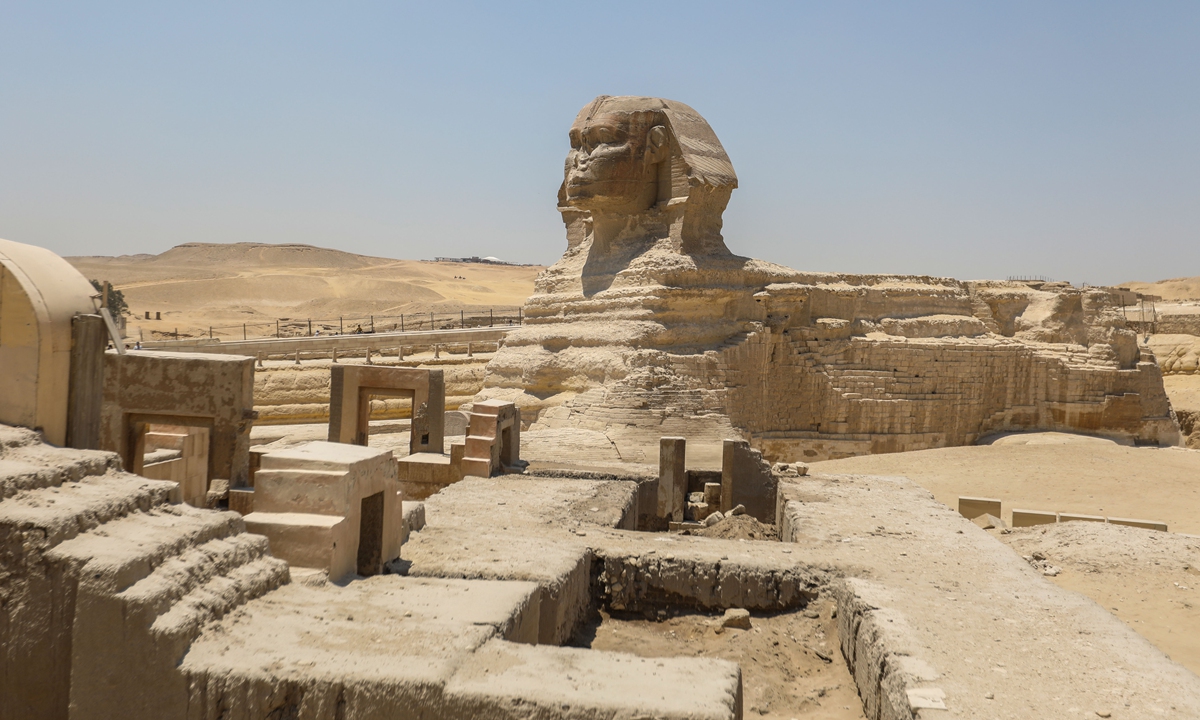
Temple of King Apries: A Newly Discovered Treasure of Ancient Memphis
The recent discovery of the Temple of King Apries has brought fresh excitement to Egyptology and global heritage enthusiasts. Unearthed in the historic grounds of Memphis, this remarkable find sheds new light on the political and religious landscape of Egypt’s Late Period.
Located near modern Mit Rahina, south of Cairo, the newly revealed temple structure offers invaluable insight into the reign of one of the 26th Dynasty’s most controversial rulers.
Who Was King Apries?
Apries, known by his birth name Wahibre Haaibre, ruled Egypt from approximately 589 to 570 BCE during the Saite Period. His reign was marked by military campaigns and internal unrest, which eventually led to his overthrow by Amasis II.
Until this recent discovery, evidence of Apries’ architectural achievements was limited. The newly uncovered temple now confirms his active role in monumental construction and religious patronage in Memphis.
Details of the New Discovery
Archaeologists working in the Memphis archaeological zone recently uncovered significant structural remains believed to be part of Apries’ temple complex. Key findings include:
-
Massive mudbrick foundations
-
Limestone architectural blocks
-
Inscribed fragments bearing the royal cartouche of Apries
-
Remains of an elevated platform
The discovery confirms historical references that Apries commissioned a large temple in Memphis, one of Egypt’s oldest and most sacred cities.
Architectural Significance
The newly discovered Temple of King Apries highlights the Saite Revival Style, a cultural movement during the 26th Dynasty that revived artistic and architectural traditions from Egypt’s Old and Middle Kingdoms.
Elevated Mudbrick Platform
One of the most striking elements is the massive rectangular platform. This raised structure symbolized royal authority and elevated the sacred space above its surroundings.
Classical Design Elements
Preliminary analysis suggests the temple featured traditional pylons, courtyards, and columned halls, reflecting a deliberate attempt to connect Apries’ reign with Egypt’s golden past.
Religious and Political Importance
Memphis was historically dedicated to the god Ptah and served as a major administrative and religious center. By building a temple in Memphis, Apries reinforced his legitimacy during a period of instability.
The discovery also reshapes our understanding of Late Period Egypt. It shows that even during political turbulence, rulers invested heavily in monumental architecture to assert divine authority.
Why This Discovery Matters
The Temple of King Apries discovery is significant for several reasons:
-
It confirms textual evidence about Apries’ building projects.
-
It enhances understanding of 26th Dynasty urban planning.
-
It contributes to the broader narrative of Memphis as a continuously active religious center.
-
It offers new opportunities for archaeological research and tourism development.
This find also strengthens Egypt’s position as a leading destination for archaeological exploration in 2026 and beyond.
Visiting the Site
Although excavation and preservation efforts are ongoing, the Memphis archaeological area remains open to visitors. Travelers can combine a visit to the newly discovered temple remains with nearby historical landmarks such as Saqqara and the Giza Plateau.
As restoration progresses, the Temple of King Apries is expected to become one of the most intriguing Late Period attractions near Cairo.
FAQ About the Newly Discovered Temple of King Apries
When was the Temple of King Apries discovered?
The temple was recently uncovered during ongoing archaeological excavations in the Memphis area, revealing new structural and inscriptional evidence.
Where is the temple located?
It is located in ancient Memphis, south of Cairo, near modern Mit Rahina.
Why is this discovery important?
It provides new evidence of Apries’ architectural activity and strengthens historical knowledge about Egypt’s 26th Dynasty.
What style is the temple built in?
The temple reflects the Saite Revival Style, which revived earlier Egyptian artistic and architectural traditions.
Can tourists visit the site?
Yes, visitors can explore the Memphis archaeological zone, though parts of the newly discovered temple may still be under excavation.
Conclusion
The recent discovery of the Temple of King Apries marks an exciting chapter in Egyptology. By uncovering this hidden monument in Memphis, archaeologists have provided fresh insight into the ambitions and religious policies of a Late Period pharaoh.
As research continues, this newly revealed temple promises to deepen our understanding of ancient Egyptian history and attract global attention to one of Egypt’s most historically rich regions.
