
The Tomb of Ramses IV in the Valley of the Kings
The Tomb of Ramses IV stands as one of the most fascinating burial sites in Egypt's legendary Valley of the Kings. Located in the ancient necropolis on the west bank of the Nile near Luxor, this remarkable monument offers visitors an intimate glimpse into the beliefs, artistry, and royal power of Egypt's New Kingdom period.
Discovering the Tomb of Ramses IV
The Tomb of Ramses IV, officially designated as KV2, is one of the most accessible and well-preserved tombs in the Valley of the Kings. Unlike many other royal tombs that remained hidden for millennia, the tomb of Ramses IV has been known since antiquity, with Greek and Coptic graffiti dating back over two thousand years adorning its walls.
Ramses IV ruled Egypt during the 20th Dynasty, from approximately 1155 to 1149 BCE. Though his reign was relatively brief, lasting only about six years, he commissioned one of the most ambitious tomb projects of his era. The tomb of Ramses IV reflects his determination to be remembered among Egypt's greatest pharaohs.
Architectural Marvel of the Tomb of Ramses IV
The architecture of the Tomb of Ramses IV showcases the sophisticated engineering and artistic vision of ancient Egyptian craftsmen. The tomb extends approximately 88 meters into the rock face of the Valley of the Kings, featuring a relatively straightforward layout that was characteristic of later New Kingdom royal burials.
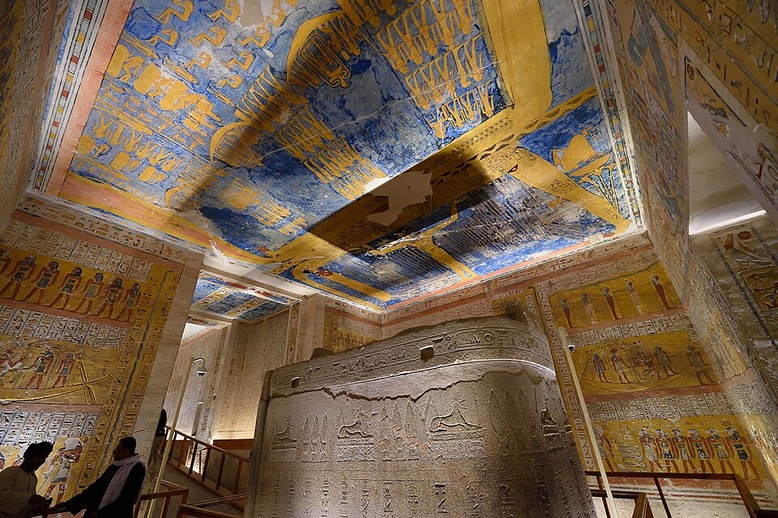
The entrance to the tomb of Ramses IV leads through a descending corridor adorned with intricate hieroglyphic texts and colorful wall paintings. These corridors open into a series of chambers, culminating in the magnificent burial chamber where the pharaoh's sarcophagus once rested. The ceiling of the burial chamber is particularly spectacular, decorated with astronomical scenes depicting the journey of the sun god Ra through the underworld.
The Artistic Treasures Within
What makes the Tomb of Ramses IV truly exceptional is the remarkable preservation of its wall decorations. The tomb's walls are covered with scenes from important funerary texts, including extensive excerpts from the Book of the Dead, the Book of Caverns, and the Book of Gates. These sacred texts were believed to guide the deceased pharaoh through the dangers of the afterlife and ensure his successful resurrection.
The vibrant colors that still grace the tomb of Ramses IV after more than three thousand years are testament to the skill of ancient Egyptian artists. Rich blues, brilliant yellows, deep reds, and striking blacks create stunning visual narratives that tell the story of the pharaoh's divine journey. Visitors to the tomb can still see detailed depictions of gods and goddesses, including Osiris, Isis, and Anubis, who played crucial roles in the ancient Egyptian conception of the afterlife.
The Sarcophagus and Burial Chamber
The burial chamber of the Tomb of Ramses IV houses one of the largest granite sarcophagi ever discovered in the Valley of the Kings. This massive stone coffin, carved from red granite, measures over three meters in length and is beautifully decorated with protective deities and religious inscriptions. Though the mummy of Ramses IV was moved to the Deir el-Bahari cache in ancient times to protect it from tomb robbers, the sarcophagus remains in its original position, offering visitors a powerful connection to Egypt's royal past.
The ceiling of the burial chamber in the tomb of Ramses IV features a stunning double image of the sky goddess Nut, whose body arches across the heavens. This representation symbolizes the cyclical nature of death and rebirth that was central to ancient Egyptian religious beliefs.
Historical Significance and Ancient Graffiti
The Tomb of Ramses IV holds unique historical significance beyond its original purpose as a royal burial place. The tomb became a popular destination for ancient tourists, particularly during the Greco-Roman period. More than 650 pieces of ancient graffiti have been documented within the tomb, written in Greek, Latin, Phoenician, and Coptic scripts. These inscriptions provide valuable insights into how ancient visitors experienced and interpreted the tomb centuries after Ramses IV's burial.
Some graffiti even dates to the Coptic Christian period, when the tomb of Ramses IV was briefly used as a church or hermitage. This layered history makes the tomb not just a monument to one pharaoh, but a testament to thousands of years of human interaction with Egypt's ancient past.
Planning Your Visit to the Tomb of Ramses IV
For modern visitors to the Valley of the Kings, the Tomb of Ramses IV offers one of the most rewarding experiences available. The tomb is typically included in the standard Valley of the Kings ticket, making it accessible to most tourists exploring the ancient necropolis. Its relatively level floor plan and wide corridors make it easier to navigate than many other royal tombs.
The best time to visit the tomb of Ramses IV is early morning or late afternoon when the Valley of the Kings is less crowded and temperatures are more moderate. Photography policies vary, so check current regulations before your visit. Due to the tomb's popularity and the fragile nature of the wall paintings, visitor numbers may sometimes be restricted to preserve this irreplaceable heritage site.
Conservation and Preservation
The Tomb of Ramses IV faces ongoing challenges from environmental factors, humidity from visitors' breath, and the natural aging of pigments and plaster. Egyptian authorities, in cooperation with international conservation teams, continue to monitor and preserve the tomb to ensure future generations can experience its wonders. Efforts include climate control systems, restricted access during certain periods, and ongoing restoration work to stabilize the ancient artwork.
Why the Tomb of Ramses IV Matters Today
The Tomb of Ramses IV remains one of the most important archaeological sites for understanding ancient Egyptian civilization. It provides scholars with invaluable information about New Kingdom burial practices, religious beliefs, artistic techniques, and the political landscape of the late 20th Dynasty. For visitors, it offers an unparalleled opportunity to walk the same corridors that ancient artisans carved and decorated over three millennia ago.
The tomb reminds us of humanity's eternal quest to understand death and the afterlife, and the extraordinary lengths to which ancient Egyptians went to ensure immortality for their rulers. Standing in the burial chamber of the tomb of Ramses IV, surrounded by images of gods and celestial journeys, visitors connect with the timeless human desire to transcend mortality through art, architecture, and faith.
Conclusion
The Tomb of Ramses IV stands as a masterpiece of ancient Egyptian art and architecture. From its well-preserved wall paintings and religious texts to its massive granite sarcophagus and fascinating ancient graffiti, the tomb offers visitors an extraordinary window into Egypt's glorious past. Whether you're an archaeology enthusiast, a history buff, or a curious traveler, a visit to the tomb of Ramses IV in the Valley of the Kings promises to be an unforgettable journey through time, connecting you with the magnificent civilization that flourished along the Nile thousands of years ago.
