
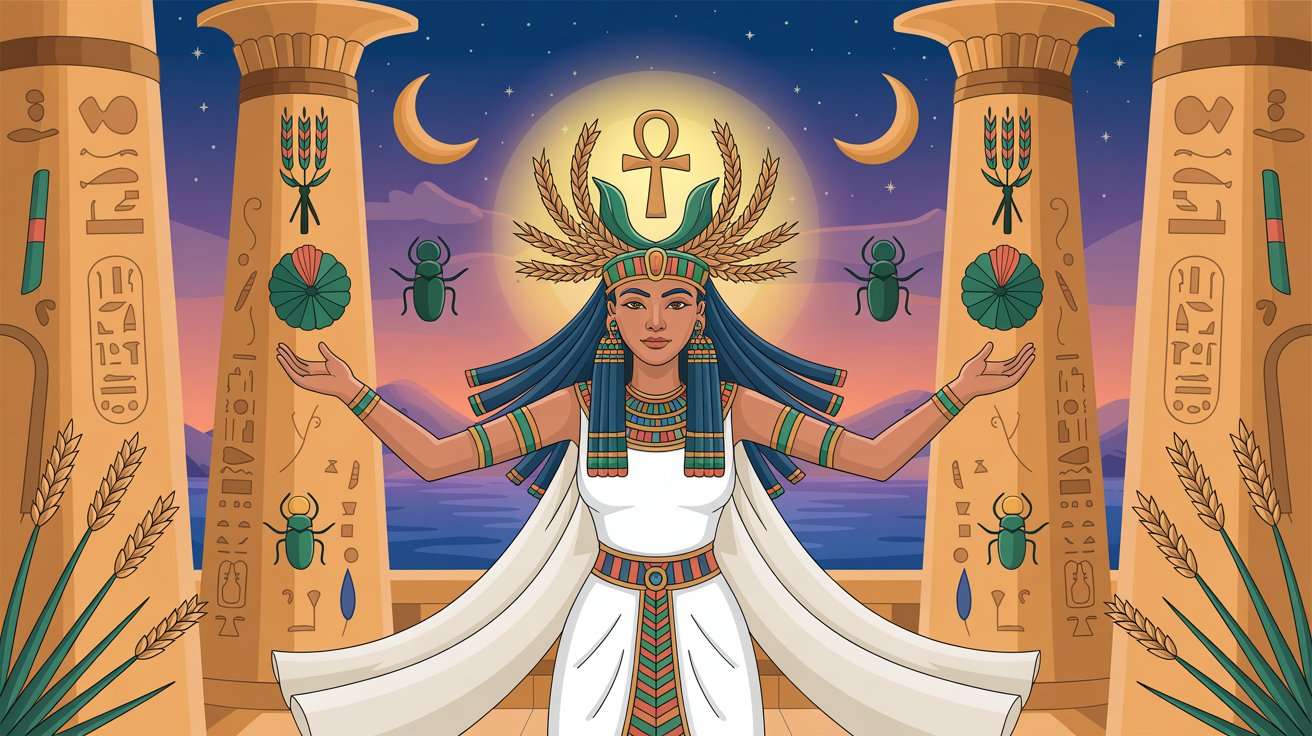
Egyptian Goddess of Fertility Symbols
The ancient Egyptian civilization revered fertility as a sacred force essential to life, abundance, and the continuation of the cosmos. At the heart of this reverence stood powerful goddesses whose symbols continue to captivate scholars and spiritual seekers today. Understanding Egyptian goddess of fertility symbols offers a window into one of history's most sophisticated cultures and their profound connection to the cycles of life.
The Primary Egyptian Fertility Goddesses
Isis: The Great Mother
Isis reigns as the most celebrated Egyptian goddess of fertility symbols. Known as the "Great Mother," she embodied motherhood, magic, and the regenerative powers of nature. Her influence extended beyond Egypt's borders, making her one of the most widely worshipped deities in the ancient world.
Key Symbols of Isis:
- The Throne Hieroglyph: Worn as her crown, representing her role as the mother of pharaohs
- The Tyet (Knot of Isis): A protective amulet resembling an ankh, symbolizing life and resurrection
- The Sistrum: A sacred rattle used in her worship, believed to ward off evil
- Wings: Often depicted with outstretched wings, symbolizing protection and divine shelter
- The Cow Horns and Sun Disk: Borrowed from Hathor, representing her connection to celestial fertility
Hathor: The Celestial Cow
Hathor, whose name means "House of Horus," served as the goddess of love, beauty, music, and fertility. Her nurturing aspect made her one of the most beloved deities in ancient Egypt.
Hathor's Sacred Symbols:
- The Cow: Her primary animal form, representing nourishment and maternal care
- The Menat Necklace: A heavy beaded collar that produced a rattling sound, associated with fertility and rebirth
- The Sistrum: Shared with Isis, this musical instrument was essential in her rituals
- The Mirror: Symbolizing beauty and the life-giving power of the sun
- Papyrus Plants: Representing the lush vegetation of the Nile and fertility
Taweret: The Protective Hippopotamus
Though less regal than Isis or Hathor, Taweret held immense importance in Egyptian households as the protector of pregnant women and childbirth.
Taweret's Distinctive Symbols:
- The Hippopotamus Form: Her fierce appearance warded off evil spirits threatening mothers and infants
- The Sa Symbol: A protective amulet she often holds, representing divine protection
- Pendulous Breasts: Emphasizing her role in nourishing new life
- Lion Paws and Crocodile Tail: Combining the strength of multiple protective animals
Universal Egyptian Goddess of Fertility Symbols
Beyond individual goddesses, certain symbols appeared across fertility worship in ancient Egypt:
The Ankh
This iconic symbol represents eternal life and was frequently held by fertility goddesses. The ankh's loop resembles a womb, while its cross represents the union of masculine and feminine energies necessary for creation.
The Lotus Flower
Emerging pristine from muddy waters each morning, the lotus symbolized rebirth, creation, and the sun. Fertility goddesses were often depicted holding or adorned with lotus blossoms, representing their power to bring forth new life.
The Frog
Associated with the goddess Heqet, frogs symbolized fertility due to their abundance along the Nile after the annual flood. Heqet assisted in childbirth and was depicted as a frog or frog-headed woman.
The Uterus Symbol
Ancient Egyptians created explicit hieroglyphs and amulets depicting the uterus, recognizing its central role in fertility and birth.
Colors and Materials in Fertility Symbolism
Egyptian goddess of fertility symbols extended to specific colors and materials:
- Green: The color of vegetation and rebirth, associated with Osiris and fertility
- Blue: Representing the life-giving Nile and the heavens
- Turquoise: A protective stone favored in amulets for pregnant women
- Carnelian: A red stone symbolizing life force and vitality
- Lapis Lazuli: Connected to the celestial realm and divine power
The Role of Fertility Symbols in Daily Life
These symbols weren't merely abstract concepts but practical tools in ancient Egyptian society. Women wore amulets bearing Egyptian goddess of fertility symbols during pregnancy and childbirth. Temples dedicated to fertility goddesses received offerings of food, flowers, and precious objects from couples seeking to conceive.
The annual flooding of the Nile, essential to Egypt's agricultural fertility, was celebrated through festivals honoring these goddesses. The connection between agricultural abundance and human fertility created an integrated worldview where goddess symbols permeated every aspect of life.
Modern Relevance of Egyptian Fertility Symbols
Today, Egyptian goddess of fertility symbols continue to resonate with people worldwide. These ancient images appear in jewelry, meditation practices, and spiritual ceremonies. Many find empowerment in connecting with these powerful feminine archetypes that honored women's creative and reproductive capacities.
Museums worldwide display fertility amulets, statues, and temple reliefs, allowing contemporary audiences to appreciate the artistry and spiritual depth of these symbols. Scholars continue uncovering new insights into how these goddesses shaped ancient Egyptian culture and religious thought.
Understanding the Sacred Feminine
The Egyptian goddess of fertility symbols reveal a civilization that recognized and celebrated feminine creative power. Unlike cultures that viewed fertility solely as a biological function, ancient Egyptians understood it as a cosmic force connecting humanity to the divine.
These goddesses weren't passive symbols but active forces in the universe. They healed the sick, protected the vulnerable, and ensured the continuation of life itself. Their symbols carried real power, believed to channel divine energy into the physical world.
Conclusion
Egyptian goddess of fertility symbols offer more than historical curiosity—they provide insight into humanity's eternal reverence for life's creative forces. From Isis's protective wings to Taweret's fierce guardianship and Hathor's nurturing presence, these symbols speak to universal human experiences of birth, growth, and renewal.
Whether you're drawn to ancient Egyptian spirituality, studying history, or simply appreciating beautiful symbolism, these fertility goddesses and their sacred emblems continue to inspire and enlighten. They remind us that fertility encompasses not just physical reproduction but the creative capacity to bring forth new ideas, new possibilities, and new life in all its forms.
The enduring power of Egyptian goddess of fertility symbols lies in their ability to connect us across millennia to the fundamental human experiences of hope, creation, and the miraculous continuation of life.
