
Al-Rifa'i Mosque: A Majestic Landmark of Islamic Cairo
Located in the heart of historic Islamic Cairo, the magnificent Al-Rifa'i Mosque stands as one of Egypt’s most impressive religious and architectural landmarks. Built during the late 19th and early 20th centuries, the mosque is famous for its royal tombs, elaborate design, and its close proximity to the historic Sultan Hassan Mosque.
Often overlooked by tourists rushing through Cairo’s famous attractions, Al-Rifa'i Mosque offers visitors a unique opportunity to explore a place where royal history, religious tradition, and architectural beauty come together.
The History of Al-Rifa'i Mosque
Construction of Al-Rifa'i Mosque began in 1869 during the rule of Isma'il Pasha. The project was commissioned by Khoshiar Hanim, the mother of Isma'il Pasha, who wanted to build a grand mosque that would serve as a royal mausoleum for Egypt’s ruling family.
However, construction faced several delays and was not completed until 1912, during the reign of Abbas II of Egypt.
The mosque was named after Sheikh Ali Abu Shubbak, a follower of the famous Islamic saint Ahmad al-Rifa'i, whose shrine was already located at the site. Over time, the mosque became an important religious center associated with the Rifa'i Sufi order.
Architectural Beauty and Design
Al-Rifa'i Mosque was designed to harmonize with the neighboring Sultan Hassan Mosque, one of the greatest monuments from the Mamluk era.
The mosque combines Mamluk architectural inspiration with modern 19th-century design, resulting in a truly unique structure.
Key Architectural Features
1. Grand Entrance and Courtyard
Visitors enter through a monumental gateway decorated with carved marble and intricate Islamic patterns.
2. Massive Prayer Hall
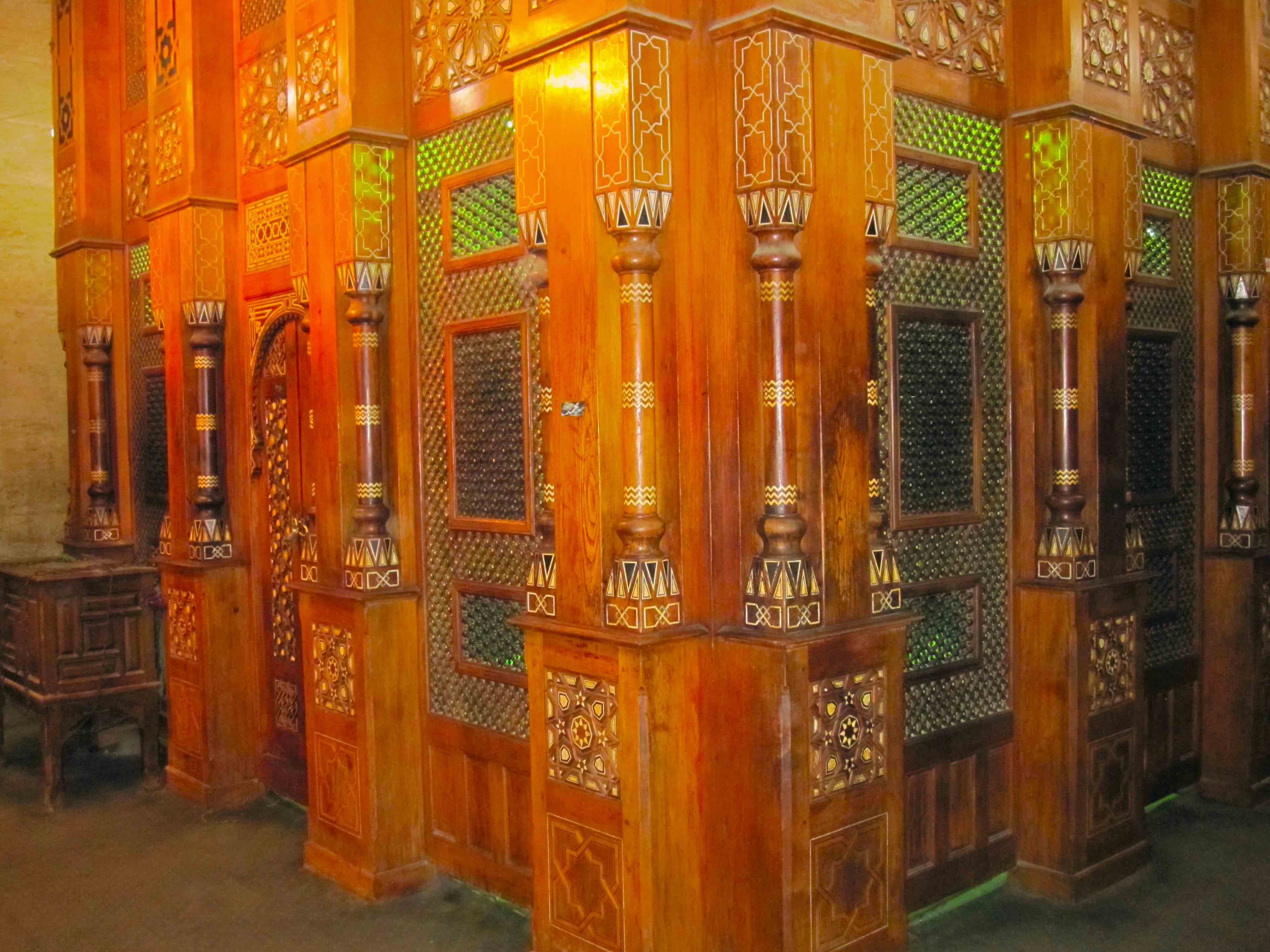
The interior features high ceilings, ornate columns, and stunning chandeliers. Rich carpets and decorative marble create an atmosphere of elegance and tranquility.
3. Marble Walls and Columns
The mosque’s walls are covered with luxurious marble imported from Europe, reflecting the lavish style of the royal family during the late Ottoman period.
4. Elegant Minarets
Tall minarets rise above the mosque, dominating the skyline of Islamic Cairo.
The Royal Tombs Inside the Mosque
One of the most fascinating aspects of Al-Rifa'i Mosque is that it serves as a royal mausoleum. Several members of Egypt’s royal family are buried here.
Notable Tombs
-
Farouk of Egypt – The last king of Egypt before the 1952 revolution.
-
Fawzia of Egypt – A princess of the Egyptian royal family.
-
Mohammad Reza Pahlavi – The final Shah of Iran, who was buried here after his death in 1980 following the Iranian Revolution.
These royal burials make the mosque not only a religious site but also a significant historical memorial.
The Connection to Sultan Hassan Mosque
Al-Rifa'i Mosque stands directly opposite the magnificent Sultan Hassan Mosque, forming one of the most striking architectural pairings in Cairo.
While Sultan Hassan Mosque dates back to the 14th century Mamluk period, Al-Rifa'i Mosque was built centuries later. Despite this difference in age, the architects carefully designed Al-Rifa'i Mosque to match the scale, style, and grandeur of its historic neighbor.
This visual harmony creates one of the most photogenic religious complexes in Cairo.
Visiting Al-Rifa'i Mosque
Today, Al-Rifa'i Mosque is open to visitors who want to explore its architecture and learn about Egypt’s royal history.
Location
The mosque is located in Midan Salah El Din in the historic district of Cairo.
Nearby Attractions
Visitors often combine a trip to Al-Rifa'i Mosque with nearby landmarks such as:
-
Sultan Hassan Mosque
-
Citadel of Saladin
-
Mosque of Muhammad Ali
Together, these sites form one of the most important historic areas in Egypt.
Cultural and Religious Significance
Beyond its architectural beauty, Al-Rifa'i Mosque plays an important role in Egypt’s religious life. The mosque is associated with the Rifa'i Sufi order, and it continues to host prayers and religious gatherings.
Its connection to Egypt’s monarchy also makes it a symbol of a fascinating period in modern Egyptian history, bridging the gap between medieval Islamic architecture and the royal era of the 19th and early 20th centuries.
Why Al-Rifa'i Mosque Is Worth Visiting
Al-Rifa'i Mosque offers visitors a unique experience that combines:
-
Stunning Islamic architecture
-
Royal history and tombs
-
Spiritual atmosphere
-
A prime location in historic Cairo
For travelers exploring Islamic Cairo, the mosque is a must-see destination that reveals another layer of Egypt’s rich cultural heritage.
FAQ About Al-Rifa'i Mosque
Where is Al-Rifa'i Mosque located?
Al-Rifa'i Mosque is located in Cairo, directly opposite the famous Sultan Hassan Mosque in the historic district of Islamic Cairo.
Why is Al-Rifa'i Mosque famous?
The mosque is known for its beautiful architecture and royal tombs, including the burial place of Farouk of Egypt and Mohammad Reza Pahlavi.
When was Al-Rifa'i Mosque built?
Construction began in 1869 and was completed in 1912, making it one of the newest major mosques in historic Cairo.
Can tourists visit Al-Rifa'i Mosque?
Yes, the mosque is open to visitors and is a popular stop for travelers exploring the monuments of Islamic Cairo.
