
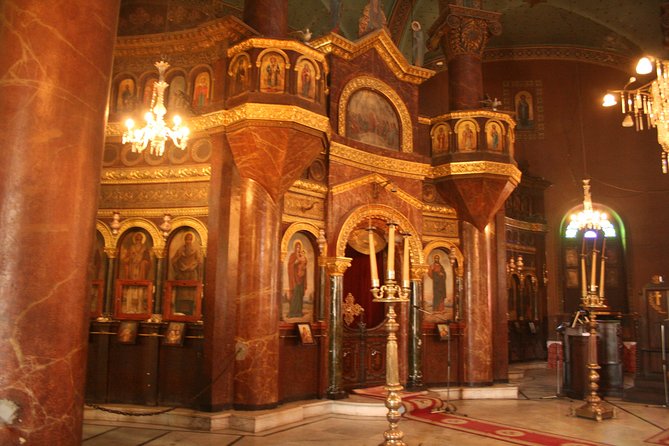
Coptic Museum : A Journey Through Christian Heritage
Nestled in the heart of Old Cairo, the Coptic Museum stands as a testament to Egypt's rich Christian heritage. This remarkable institution houses the world's most extensive collection of Coptic art and artifacts, offering visitors an unforgettable glimpse into one of Christianity's oldest communities.
The Coptic Museum Egypt was founded in 1910 by Marcus Simaika Pasha, who recognized the urgent need to preserve Coptic Christian artifacts. Located in the historic Coptic Cairo district, the museum sits within the ancient walls of the Babylon Fortress, creating an atmospheric setting that transports visitors back through centuries of history.
With over 16,000 artifacts spanning from the early days of Christianity in Egypt through the Islamic era, the Coptic Museum offers an unparalleled educational experience for history enthusiasts, religious scholars, and curious travelers alike.
What Makes the Coptic Museum Special
Architectural Beauty
The museum building itself is a masterpiece, designed to reflect traditional Coptic architectural elements. Mashrabiya screens, ornate wooden ceilings, and tranquil courtyards create an ambiance that complements the sacred artifacts housed within. Walking through the museum feels like stepping into a different era, where every corner reveals intricate craftsmanship.
World-Class Collections
The Coptic Museum boasts an extraordinary range of exhibits across multiple categories. Visitors can explore ancient manuscripts and biblical texts, including some of the earliest known Christian writings. The textile collection showcases remarkably preserved fabrics featuring elaborate designs that reveal the sophisticated artistry of Coptic weavers.
Religious icons and frescoes display the distinctive Coptic artistic style, which blends Egyptian, Greek, and Roman influences. The museum also houses an impressive collection of woodwork, metalwork, pottery, and glassware that demonstrates the daily life and artistic achievements of Coptic communities throughout the centuries.
The Nag Hammadi Library
One of the museum's most significant treasures is its connection to the Nag Hammadi manuscripts, discovered in 1945. These early Christian texts provide invaluable insights into the diversity of early Christian thought and practice, making the Coptic Museum a crucial destination for biblical scholars worldwide.
Planning Your Visit to the Coptic Museum Egypt
Location and Access
The Coptic Museum is conveniently located in Old Cairo, near the Hanging Church and other significant Coptic landmarks. The area is easily accessible by metro, with the Mar Girgis station situated just steps away from the museum entrance.
What to Expect
A typical visit to the Coptic Museum takes between two to three hours, though those with a deep interest in Christian history or art may wish to spend longer. The museum is organized chronologically, allowing visitors to trace the evolution of Coptic art and culture from the early Christian period through medieval times.
The climate-controlled galleries ensure artifact preservation while providing comfortable viewing conditions. Informative plaques in multiple languages accompany most exhibits, though hiring a knowledgeable guide can significantly enhance your understanding of the collection's historical and religious significance.
Nearby Attractions
The Coptic Museum sits at the heart of Coptic Cairo, a neighborhood brimming with historical and spiritual significance. Within walking distance, visitors can explore the Hanging Church, one of Egypt's oldest churches, and the Church of St. Sergius, believed to be built on the spot where the Holy Family rested during their flight to Egypt.
The Ben Ezra Synagogue, located nearby, offers insight into Egypt's Jewish heritage, while the ancient Babylon Fortress provides a fascinating glimpse into Roman military architecture.
Why Visit the Coptic Museum
Understanding Egypt's Christian Heritage
While Egypt is often associated primarily with its pharaonic past and Islamic heritage, the Coptic Museum reminds visitors that Egypt has been home to one of Christianity's oldest communities for nearly two millennia. The Coptic Orthodox Church traces its origins to Saint Mark the Evangelist, who brought Christianity to Alexandria in the first century.
Visiting the museum provides essential context for understanding Egypt's diverse religious landscape and the crucial role Copts have played in the nation's cultural development.
Artistic Masterpieces
Even those without particular religious interest will appreciate the artistic excellence displayed throughout the museum. Coptic art represents a fascinating fusion of Egyptian, Greco-Roman, and Byzantine influences, creating a distinctive style that evolved over centuries. The intricate textiles, vivid frescoes, and elaborate woodcarvings demonstrate technical mastery and creative vision that rivals any artistic tradition.
A Peaceful Retreat
In a bustling city like Cairo, the Coptic Museum offers a tranquil escape. Its peaceful courtyards and thoughtfully designed spaces provide moments of reflection and contemplation, making it not just an educational experience but also a spiritual one, regardless of one's religious background.
Practical Information
The Coptic Museum Egypt welcomes visitors throughout the week, with varying hours during different seasons. Photography is permitted in most areas, though flash photography may be restricted to protect sensitive artifacts. The modest entrance fee makes this world-class museum accessible to all visitors.
The museum features a gift shop where visitors can purchase replicas, books, and handicrafts related to Coptic heritage, allowing you to take a piece of this extraordinary culture home with you.
Conclusion
The Coptic Museum stands as an essential destination for anyone seeking to understand the full tapestry of Egyptian civilization. Beyond pharaohs and pyramids, Egypt's Coptic heritage represents a vital chapter in both Christian history and Egyptian culture. Whether you're a religious pilgrim, history enthusiast, art lover, or simply a curious traveler, the Coptic Museum Egypt offers an enriching experience that illuminates centuries of faith, artistry, and cultural continuity.
When planning your Egyptian adventure, make sure the Coptic Museum features prominently on your itinerary. This remarkable institution not only preserves the past but also bridges understanding between cultures and faiths, reminding us of the rich diversity that has always characterized this ancient land.
