
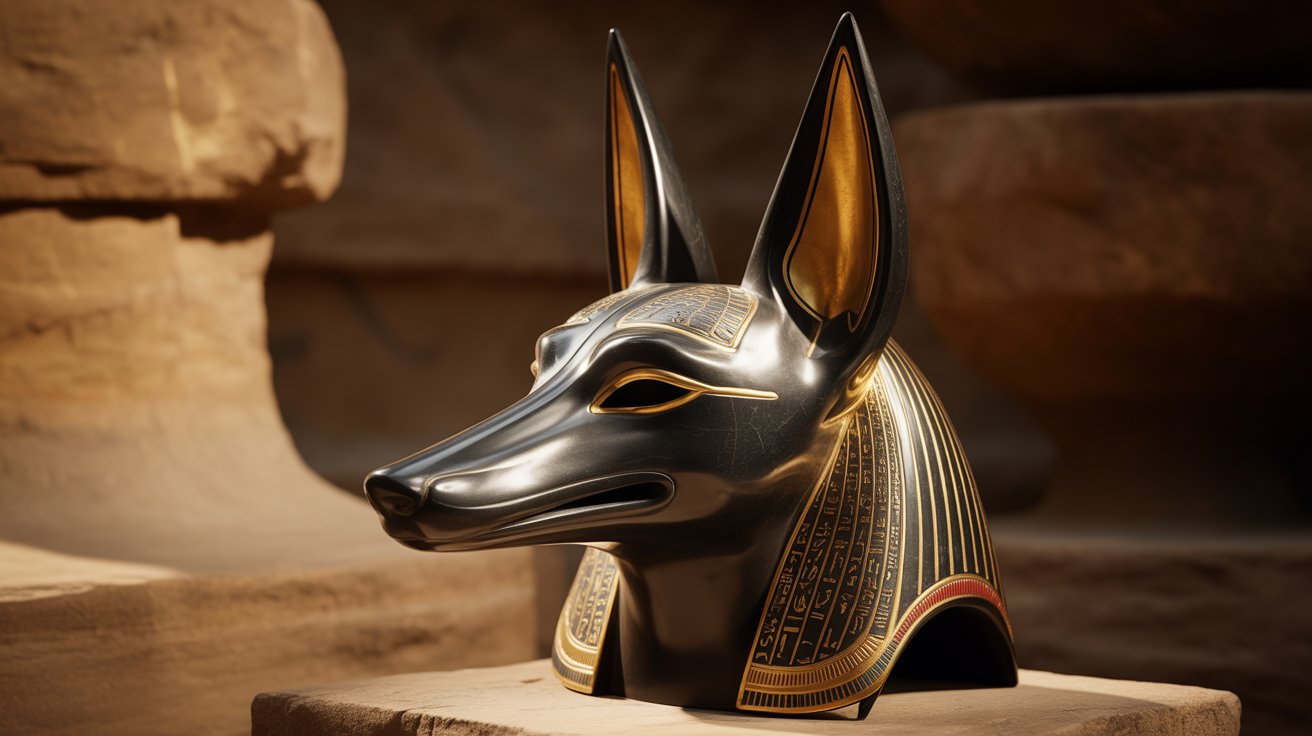
The Egyptian Anubis Mask: Symbol of Afterlife
The Anubis mask remains one of ancient Egypt's most recognizable and mysterious symbols. This iconic jackal-headed representation has captivated historians, archaeologists, and enthusiasts for millennia, offering a glimpse into the profound spiritual beliefs of one of history's greatest civilizations.
What is an Anubis Mask?
An Egyptian Anubis mask depicts the head of a jackal or dog-like creature, representing Anubis, the ancient Egyptian god of mummification and the afterlife. These masks were used in funerary rituals and ceremonies, where priests would wear them to embody the deity during sacred rites. The distinctive black color and elongated snout made these masks instantly recognizable in religious contexts.
The masks served a critical purpose in ancient Egyptian burial practices. When priests donned the Anubis mask during mummification ceremonies, they symbolically became the god himself, guiding the deceased through their journey to the afterlife and ensuring proper preservation of the body.
What Did Anubis Wear?
Understanding what Anubis wore helps us appreciate the full regalia associated with this powerful deity. In ancient Egyptian art and ceremonial practices, Anubis was typically depicted wearing several distinctive elements:
The Jackal Head: The most prominent feature was always the black jackal or dog head, which priests replicated in ceremonial masks. The black color symbolized both the color of decomposing bodies and the fertile black soil of the Nile, representing rebirth and regeneration.
Royal Regalia: Anubis often appeared wearing the traditional Egyptian shendyt (kilt) and sometimes held royal symbols like the was scepter (representing power) and the ankh (symbolizing life). These items reinforced his divine authority over the realm of death.
Ceremonial Collars: Many depictions show Anubis wearing broad ceremonial collars made of precious metals and stones, similar to those worn by pharaohs and other deities.
When priests performed rituals while wearing an Anubis mask, they would often complete the ensemble with linen robes and ceremonial implements to fully embody the god's presence during sacred ceremonies.
The Symbolism Behind the Anubis Mask
The Egyptian Anubis mask carried deep symbolic meaning in ancient society. Anubis was believed to be the inventor of embalming and the protector of graves. His presence, whether in art, statuary, or through masked priests, assured the deceased safe passage through the dangerous journey to the afterlife.
The jackal form itself was significant. Ancient Egyptians observed jackals and wild dogs scavenging in cemeteries on the desert edges. By transforming this potential threat into a protective deity, they turned fear into comfort, ensuring Anubis would guard rather than disturb the dead.
Modern Cultural Impact
Today, the Anubis mask continues to fascinate people worldwide. These masks appear in:
- Museum exhibitions showcasing ancient Egyptian artifacts
- Halloween costumes and cosplay events
- Theatrical productions and historical reenactments
- Decorative art and home décor inspired by Egyptian themes
- Educational materials about ancient civilizations
Replicas of the Anubis mask allow modern audiences to connect with ancient Egyptian culture, whether for educational purposes, cultural celebrations, or personal interest in mythology.
Creating and Collecting Anubis Masks
Contemporary artisans craft Egyptian Anubis masks using various materials, from papier-mâché and resin to metal and wood. High-quality replicas attempt to recreate the appearance of ancient ceremonial masks, complete with authentic details like hieroglyphic inscriptions and traditional black coloring.
Collectors and enthusiasts seek these masks for their historical significance and striking appearance. Whether displayed as art pieces or used in educational settings, they serve as tangible connections to ancient Egyptian religious practices.
The Enduring Legacy
The Anubis mask represents more than just ancient Egyptian artistry. It embodies humanity's timeless concerns about death, the afterlife, and the desire to honor and protect the deceased. Understanding what Anubis wore and represented helps us appreciate how ancient Egyptians approached mortality with reverence, ceremony, and hope.
From the priests who wore these sacred masks thousands of years ago to modern enthusiasts who study and recreate them today, the Anubis mask continues to bridge the gap between ancient beliefs and contemporary fascination with Egypt's remarkable civilization. This enduring symbol reminds us that some aspects of human culture transcend time, speaking to universal experiences that connect us across millennia.
home
