
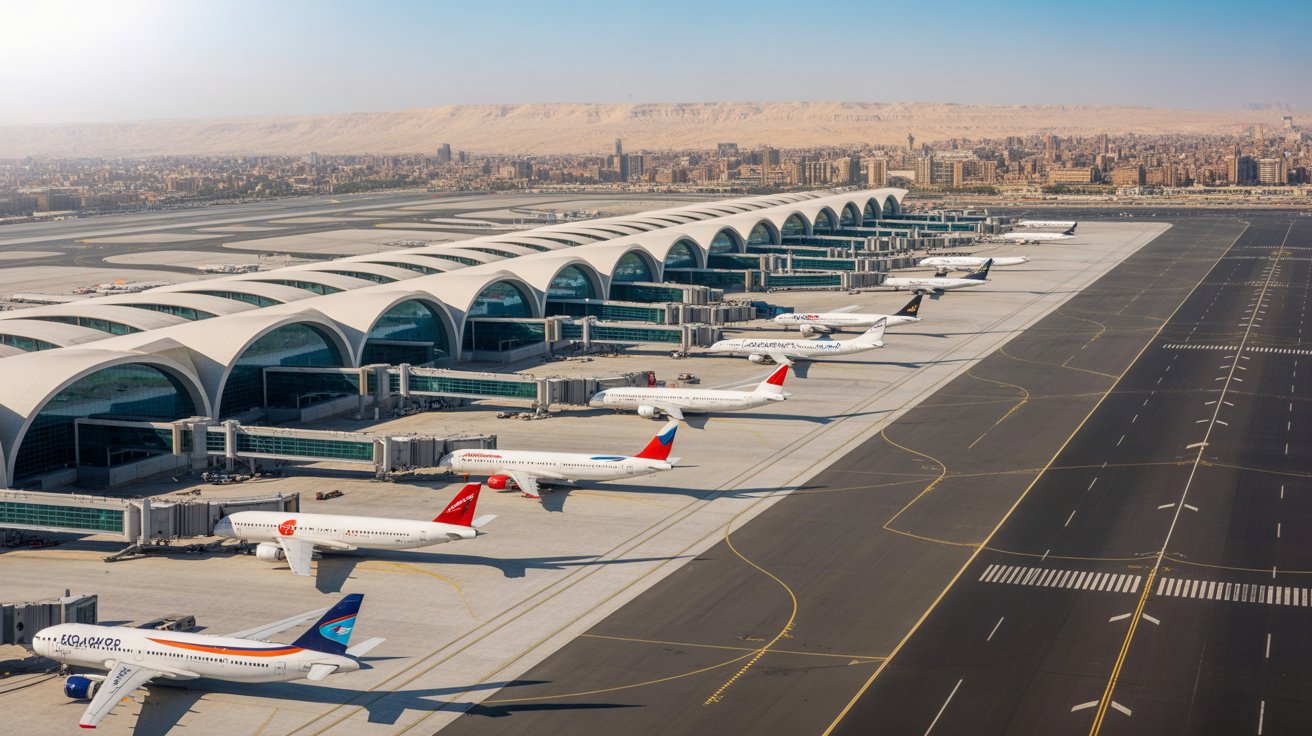
Airports in Egypt: Cairo International Airport and Beyond
Egypt, with its ancient wonders and Red Sea coastlines, attracts millions of visitors annually. Understanding the country's aviation infrastructure is essential for travelers planning their journey. This comprehensive guide covers all major airports in Egypt, with special focus on Cairo International Airport and its airport code CAI.
Cairo International Airport (CAI): Egypt's Aviation Hub
Cairo International Airport, known by its airport code CAI, serves as Egypt's primary gateway and one of Africa's busiest aviation hubs. Located approximately 15 kilometers northeast of downtown Cairo, this sprawling facility handles over 20 million passengers annually, connecting Egypt with destinations across six continents.
Cairo International Airport Code and Facilities
The Cairo international airport code CAI is derived from the city's name and is recognized worldwide by airlines, travel booking systems, and aviation authorities. The airport features three operational terminals, with Terminal 2 serving most international flights and Terminal 3 handling the bulk of EgyptAir operations. Terminal 1 primarily accommodates charter and low-cost carriers.
Modern amenities at CAI include duty-free shopping, numerous restaurants offering both international and Egyptian cuisine, VIP lounges, currency exchange services, and free WiFi throughout the terminals. Transportation options from the airport include taxis, ride-sharing services, airport shuttles, and a planned metro connection that will further enhance accessibility.
Other Major Airports in Egypt
While Cairo International dominates Egyptian aviation, several other airports in Egypt serve crucial roles for tourism and domestic connectivity.
Hurghada International Airport (HRG)
Located on the Red Sea coast, Hurghada International Airport is the second busiest among Egypt airports. It primarily serves the resort town of Hurghada and surrounding areas, welcoming beach enthusiasts and diving aficionados. The airport handles numerous European charter flights during peak seasons and has undergone significant expansion to accommodate growing tourist numbers.
Sharm El-Sheikh International Airport (SSH)
Serving the Sinai Peninsula's premier resort destination, Sharm El-Sheikh International Airport connects this popular Red Sea retreat with major cities across Europe, the Middle East, and domestic Egyptian destinations. The airport features modern facilities designed to handle the seasonal influx of tourists seeking world-class diving and beach relaxation.
Luxor International Airport (LXR)
For travelers heading directly to Egypt's archaeological treasures, Luxor International Airport provides convenient access to the Valley of the Kings, Karnak Temple, and other ancient monuments. This airport has grown in importance as tourism to Upper Egypt continues to develop, offering both international and domestic connections.
Aswan International Airport (ASW)
Further south along the Nile, Aswan International Airport serves the historic city of Aswan and provides access to Abu Simbel, Philae Temple, and Lake Nasser. While smaller than other Egypt airports, it plays a vital role in tourism to southern Egypt.
Borg El Arab Airport (HBE)
Located near Alexandria, Egypt's second-largest city, Borg El Arab Airport serves as an alternative to Cairo for travelers visiting the Mediterranean coast. Though it handles fewer flights than CAI, it offers convenience for those heading to Alexandria or Egypt's northern regions.
Marsa Alam International Airport (RMF)
This southern Red Sea airport has emerged as an important gateway for tourists seeking quieter, more exclusive resort experiences. Marsa Alam International Airport serves numerous European destinations and has become increasingly popular among diving enthusiasts.
Navigating Egypt Airports: Practical Tips
When traveling through airports in Egypt, keep these practical considerations in mind. Visa requirements vary by nationality, with many visitors eligible for visa-on-arrival at major airports including CAI. However, checking current requirements before travel is essential. Most Egypt airports offer currency exchange services, though rates may be better in cities. Credit cards are widely accepted at major airports, but carrying some Egyptian pounds for small purchases is advisable.
Security procedures at Egyptian airports have been enhanced in recent years, so arriving at least three hours before international flights is recommended. Arabic and English are commonly used at major airports, making navigation relatively straightforward for international travelers. During peak winter season, airports can become crowded, so allowing extra time for check-in and immigration is prudent.
Domestic Connections Between Egypt Airports
EgyptAir and several other carriers operate domestic flights connecting major airports in Egypt. The Cairo international airport code CAI appears frequently on domestic itineraries, as most internal flights route through the capital. Popular domestic routes include Cairo to Luxor, Cairo to Aswan, Cairo to Hurghada, and Cairo to Sharm El-Sheikh. These connections make multi-destination trips within Egypt convenient and time-efficient.
Future Developments for Egypt Airports
Egyptian aviation infrastructure continues to evolve. The government has announced plans for a new capital city east of Cairo, which will include a massive new international airport. Expansions are underway or planned at several existing airports in Egypt to accommodate projected tourism growth. These developments signal Egypt's commitment to maintaining its position as a leading tourism destination and regional aviation hub.
Conclusion
Whether you're entering Egypt through the airport code CAI at Cairo International Airport or arriving via one of the country's many regional facilities, understanding the landscape of airports in Egypt enhances your travel experience. From the bustling terminals of Cairo to the resort-focused facilities along the Red Sea, Egyptian airports provide modern gateways to one of the world's most fascinating destinations.
The Cairo international airport code CAI remains the most important to remember for most international travelers, but Egypt's diverse network of airports ensures that ancient temples, pristine beaches, and vibrant cities are all easily accessible. As Egyptian aviation infrastructure continues to modernize and expand, traveling to and within this remarkable country becomes increasingly convenient for millions of visitors each year.
