
The Temple of Amada: Egypt's Oldest Nubian Temple
Nestled on the shores of Lake Nasser in southern Egypt, the Temple of Amada stands as a testament to ancient Egyptian architectural prowess and religious devotion. As the oldest temple in Nubia, Amada Temple offers visitors a remarkable glimpse into Egypt's 18th Dynasty and remains one of the most historically significant monuments rescued during the creation of Lake Nasser.
History of Amada Temple
The Temple of Amada was originally constructed during the reign of Pharaoh Thutmose III around 1500 BCE, with later additions made by his son Amenhotep II. This makes Amada Temple the oldest surviving temple in the Nubian region. The temple was dedicated to the gods Amun-Ra and Ra-Horakhty, reflecting the religious practices and beliefs of ancient Egypt's New Kingdom period.
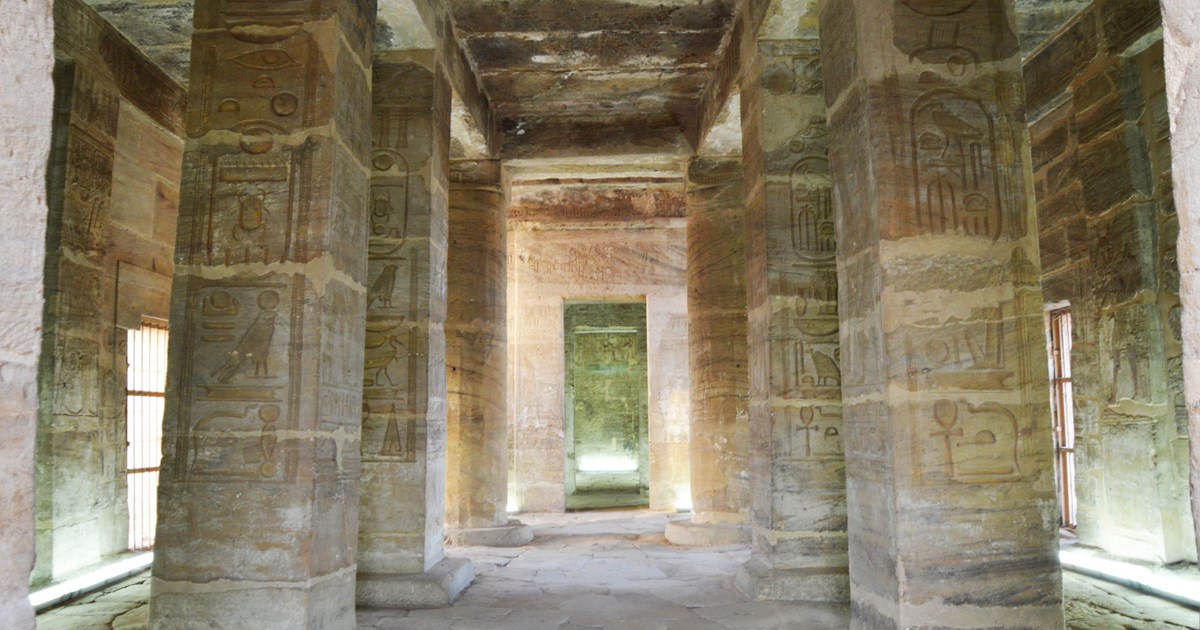
What makes the Temple of Amada particularly special is its remarkable state of preservation, especially the vibrant colors and detailed inscriptions that adorn its interior walls. Despite its age, the temple's hieroglyphics remain some of the best-preserved examples of ancient Egyptian text in all of Nubia.
The Great Rescue: Moving Amada Temple
When the Aswan High Dam was constructed in the 1960s, the rising waters of Lake Nasser threatened numerous ancient monuments, including Amada Temple. In one of the most impressive engineering feats of the UNESCO rescue mission, the entire temple was relocated between 1964 and 1975.
Unlike other temples that were dismantled and reassembled, Amada Temple was moved intact on specially designed rails to preserve its delicate interior decorations. The temple was transported 2.6 kilometers away from its original location and raised 65 meters above its former position. This extraordinary effort ensured that future generations could continue to marvel at this ancient treasure.
Architecture and Design of Amada Temple
The Temple of Amada may be modest in size compared to grander monuments like Abu Simbel, but its architectural and artistic significance is undeniable. The temple consists of a columned hall, a vestibule, and a sanctuary, following the traditional layout of Egyptian temples.
The interior walls of Amada Temple are adorned with exquisitely carved reliefs and inscriptions that have retained their original colors remarkably well. These decorations depict religious ceremonies, royal conquests, and offerings to the gods. The quality of the artwork at Amada Temple demonstrates the sophisticated craftsmanship of 18th Dynasty artisans.
Historical Inscriptions at Amada Temple
One of the most valuable aspects of the Temple of Amada is its historical inscriptions. Two particularly important texts provide insight into ancient Egyptian military campaigns:
The first inscription, from the reign of Amenhotep II, describes a military campaign in Asia and mentions the pharaoh's victories over rebellious territories. The second inscription, dating to the reign of Merneptah, records a Libyan invasion and provides crucial historical information about Egypt's conflicts during the 19th Dynasty.
These inscriptions make Amada Temple not just a religious monument but also an invaluable historical document carved in stone.
Visiting Amada Temple Today
Located approximately 180 kilometers south of Aswan, the Temple of Amada is part of the New Kalabsha site on Lake Nasser. The temple is typically visited as part of a Lake Nasser cruise, which allows tourists to explore multiple Nubian monuments that were relocated during the UNESCO rescue operations.
When visiting Amada Temple, travelers are often struck by the intimacy of the site. Unlike the crowds at more famous monuments, Amada Temple offers a quieter, more contemplative experience. The well-preserved colors inside the temple create an almost immediate connection with the ancient past, making it easier to imagine the rituals and ceremonies that once took place within these walls.
Why Amada Temple Matters
The Temple of Amada represents more than just ancient architecture; it embodies the dedication of the international community to preserving humanity's cultural heritage. The successful relocation of Amada Temple, along with other Nubian monuments, demonstrated what could be achieved when nations work together to protect irreplaceable historical treasures.
For archaeology enthusiasts and history lovers, the Temple of Amada offers insights into ancient Egyptian religion, art, military history, and architecture. Its well-preserved state provides scholars with valuable information about construction techniques, artistic styles, and historical events from over 3,500 years ago.
Planning Your Visit to Amada Temple
Most visitors reach the Temple of Amada through Lake Nasser cruises departing from Aswan. These cruises typically last three to four days and include stops at other rescued monuments such as Wadi el-Seboua and Qasr Ibrim. The journey itself offers stunning views of Lake Nasser and the surrounding desert landscape.
The best time to visit Amada Temple is during Egypt's cooler months, from October to April, when temperatures are more comfortable for exploration. Since the temple is located in a remote area with limited facilities, it's essential to come prepared with water, sun protection, and comfortable walking shoes.
The Legacy of Amada Temple
The Temple of Amada stands as a powerful reminder of ancient Egypt's reach into Nubia and the sophisticated civilization that flourished along the Nile thousands of years ago. Its survival through millennia, including its dramatic modern-day relocation, makes it a symbol of both ancient achievement and contemporary preservation efforts.
For those seeking to explore beyond Egypt's more famous monuments, the Temple of Amada offers a rewarding and enriching experience. Its vibrant colors, detailed inscriptions, and fascinating history make it an essential destination for anyone interested in understanding the full scope of ancient Egyptian civilization and the remarkable efforts taken to preserve it for future generations.
Whether you're an archaeology enthusiast, a history buff, or simply a curious traveler, the Temple of Amada promises a memorable journey into Egypt's ancient past, standing proudly on the shores of Lake Nasser as a testament to human creativity, devotion, and the enduring power of cultural heritage.
home
