
The Black Pyramid of Amenemhat III: Ancient Egypt's Mysterious Monument
The Black Pyramid stands as one of ancient Egypt's most intriguing yet lesser-known monuments. Located at Dahshur, roughly 40 kilometers south of Cairo, this striking structure tells a fascinating story of architectural ambition, engineering challenges, and the evolution of pyramid construction during Egypt's Middle Kingdom period.
What is the Black Pyramid?
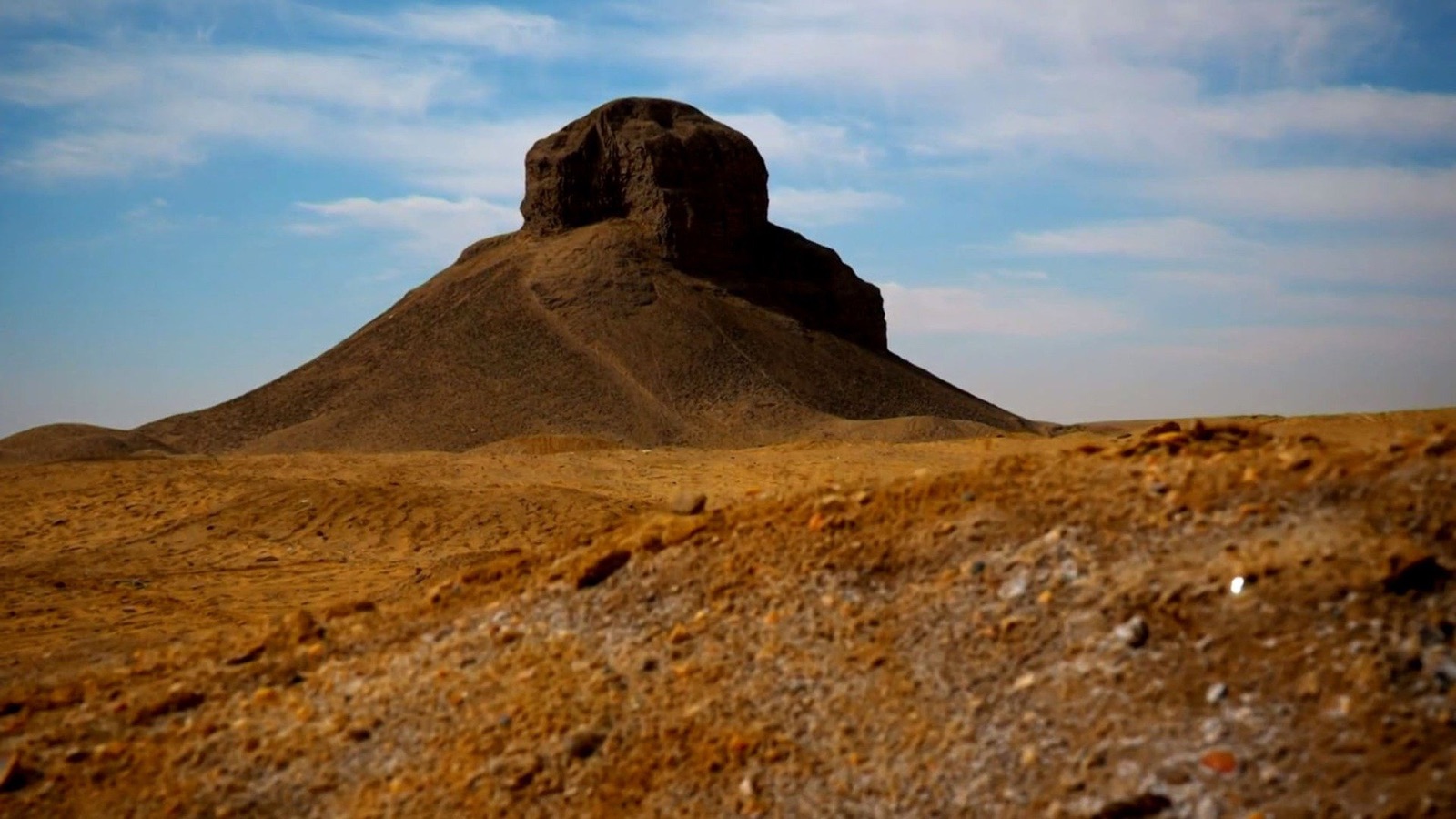
The Black Pyramid, also known as the Pyramid of Amenemhat III, was built during the 12th Dynasty of ancient Egypt, approximately between 1860 and 1814 BCE. Unlike the gleaming limestone pyramids of Giza, this pyramid earned its distinctive name from its dark, weathered appearance. The exposed mudbrick core, darkened by time and the elements, gives the monument its characteristic black silhouette against the desert landscape.
History and Construction of the Black Pyramid
Pharaoh Amenemhat III commissioned the Black Pyramid as his burial monument, marking an important chapter in Middle Kingdom pyramid construction. The pyramid originally stood approximately 75 meters tall with a base measuring 105 meters on each side. Builders used mudbrick for the core structure and cased it with limestone, following construction techniques that were common during this period.
The construction of the Black Pyramid represented ambitious architectural planning, but the builders faced significant challenges. The pyramid was erected on clay soil, which proved unstable and unable to support the massive structure's weight. This fundamental engineering problem would eventually lead to structural failures that forced a change in burial plans.
Archaeological Discoveries and the Black Pyramid Interior
Archaeological excavations have revealed fascinating details about the Black Pyramid's complex internal structure. The pyramid contained an intricate system of corridors, chambers, and burial rooms designed to house not only the pharaoh but also members of his family. Two separate entrances on the east and west sides led to different passages within the pyramid.
Explorers discovered that the interior suffered extensive damage due to the unstable foundation. Cracks developed in the walls and ceilings, and some chambers experienced partial collapse. These structural issues likely occurred during or shortly after construction, ultimately making the pyramid unsuitable as a royal tomb.
The pyramid complex included mortuary temples, a causeway, and subsidiary structures typical of royal burial complexes. Archaeologists have found fragments of statuary, inscriptions, and ritual objects that provide insights into Middle Kingdom burial practices and religious beliefs.
Why the Black Pyramid Was Abandoned
The most compelling aspect of the Black Pyramid's story is why Amenemhat III abandoned it as his final resting place. The unstable clay foundation caused continuous structural problems that threatened the integrity of the burial chambers. Rather than risk the desecration of his tomb through collapse, the pharaoh made the practical decision to construct a second pyramid at Hawara, where he was ultimately buried.
This abandonment makes the Black Pyramid unique among Egyptian pyramids as a monument that was completed but never used for its intended purpose. The structure stands as a testament to the engineering challenges ancient builders faced and their willingness to adapt when circumstances demanded it.
Visiting the Black Pyramid Today
The Black Pyramid remains one of the less-visited monuments in the Dahshur necropolis, overshadowed by the more famous Bent Pyramid and Red Pyramid at the same site. However, this relative obscurity makes it an excellent destination for travelers seeking to explore ancient Egypt away from the crowds.
The pyramid's weathered, darkened appearance creates a dramatic contrast with the surrounding desert and offers unique photographic opportunities. While the interior is generally not open to public access due to safety concerns related to the structural damage, visitors can walk around the exterior and appreciate the monument's imposing presence and historical significance.
The Dahshur archaeological site, which includes the Black Pyramid, is located approximately an hour's drive from central Cairo. The site is less commercialized than Giza or Saqqara, providing a more contemplative atmosphere for experiencing ancient Egyptian architecture.
The Black Pyramid's Place in Egyptian History
The Black Pyramid represents an important transitional period in pyramid construction technology and design. Middle Kingdom pyramids like this one differed significantly from the Old Kingdom giants at Giza. Builders increasingly used mudbrick cores rather than solid stone, reflecting both economic considerations and changes in construction techniques.
Amenemhat III's reign marked the height of Middle Kingdom prosperity, and his two pyramids demonstrate both the ambition and the practical challenges of this era. The lessons learned from the Black Pyramid's structural failures likely influenced subsequent pyramid construction and contributed to the gradual abandonment of pyramid building in later periods.
Preservation and Study
Modern archaeology continues to study the Black Pyramid, using non-invasive techniques to map its internal structure and assess its condition. These studies help researchers understand Middle Kingdom construction methods and the geological challenges ancient builders faced.
Conservation efforts focus on stabilizing the remaining structure and preventing further deterioration. The exposed mudbrick core is particularly vulnerable to erosion, making preservation a priority for Egyptian antiquities authorities.
Conclusion
The Black Pyramid of Amenemhat III stands as a powerful reminder that even the most ambitious ancient projects faced real-world constraints. Its dark, weathered form rising from the Dahshur sands tells a story not just of royal ambition but of practical engineering challenges and the adaptability required to overcome them.
For modern visitors and history enthusiasts, the Black Pyramid offers a unique window into ancient Egyptian civilization beyond the familiar narratives of the Giza pyramids. It reminds us that the ancient world, like our own, was characterized by trial and error, problem-solving, and the constant interaction between human ambition and natural constraints.
Whether you're planning a visit to Egypt or simply fascinated by ancient history, the Black Pyramid deserves recognition as one of the remarkable monuments that help us understand the complexity and ingenuity of ancient Egyptian civilization.
